Central Asia
Turkic, Iranian, and the dialects of the Silk Road.
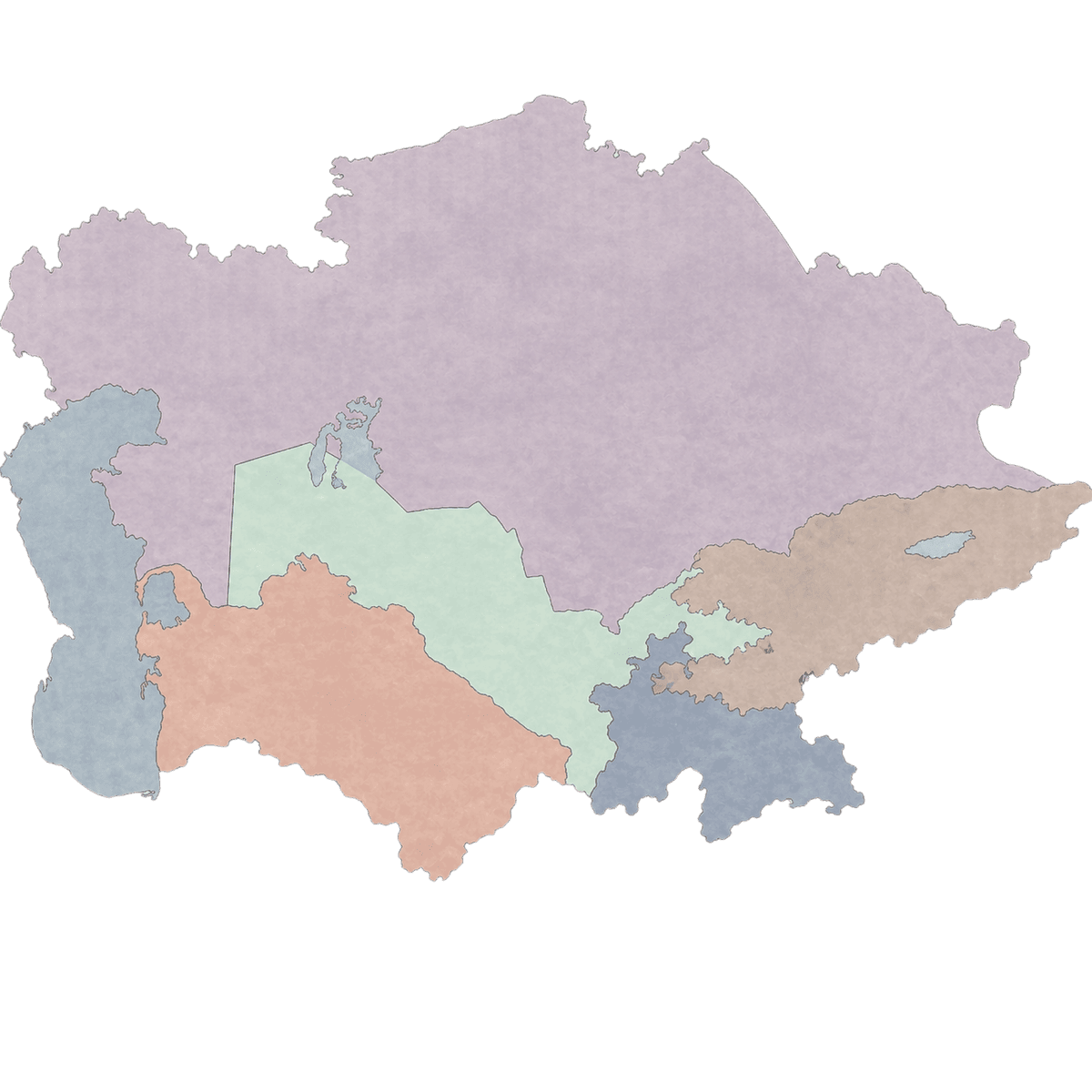
Dialects in this region
All dialects →Dari
The Persian variety spoken in Afghanistan, sharing deep roots with Farsi while carrying its own vocabulary and pronunciation.
Tajik
The Persian variety spoken in Tajikistan, written in Cyrillic script with unique vocabulary influenced by Central Asia.
Hazaragi
A distinctive Persian dialect of the Hazara people, with its own verb forms, vocabulary, and cultural identity rooted in central Afghanistan.
Kabuli
also: Kabuli Persian, Kabuli Dari, Kābolī
The Dari variety of Kabul and the prestige basis of standard Afghan Persian as used in broadcast, government, and education. Sociolinguistically dominant across most of eastern and central Afghanistan, with several million speakers.
Herati
also: Herati Persian, Herati Dari, Herātī
The Dari of Herat and the Hari Rud valley in western Afghanistan. Transitional between Kabuli Dari and the Khorasani Persian of north-eastern Iran, with strong Iranian features in vocalism and lexicon. Around two million speakers.
Southern Pashto
also: Kandahari Pashto
The Pashto of southern Afghanistan around Kandahar. Considered the most conservative Pashto variety, retaining retroflex consonants lost in the northern dialects.
Wakhi
also: Wakhi Pamir
A Pamir Iranian language spoken across the Wakhan Corridor where Afghanistan, Tajikistan, Pakistan, and China meet. One of the most archaic Iranian languages, retaining features of Old Iranian lost everywhere else.
Shughni
also: Shughni-Rushani
The largest Pamir Iranian language, spoken across Gorno-Badakhshan in Tajikistan and the Afghan Pamir. Forms a dialect cluster with Rushani, Bartangi, and Roshorvi.
Yaghnobi
also: Yagnobi
An eastern Iranian language of the Yaghnob valley in Tajikistan. The only living descendant of Sogdian, the lingua franca of the medieval Silk Road; critically endangered.
Pashayi
also: Pashai
A cluster of Indo-Aryan languages spoken in eastern Afghanistan, especially Kapisa, Laghman, and Nangarhar. Linguistically a Dardic language, sister to Kashmiri rather than to Hindi.
Siberian Russian
also: Sibirskie govory
The Russian varieties of Western and Central Siberia, descended from northern-Russian settlers. Distinguished by retained okanye, a conservative lexicon, and contact features from indigenous Siberian languages.
Kazakhstani Russian
The Russian of Kazakhstan, used by ethnic Russians and as a second language by many Kazakhs. Based on standard Russian but with regional vocabulary, code-switching, and Kazakh contact features.
Koryo-mar
also: Koryo-mal, Koryo-saram Korean
The Korean variety of the Koryo-saram, descended from communities deported from the Soviet Far East in 1937 to Central Asia. A Hamgyŏng-derived dialect heavily influenced by Russian, now critically endangered.
Dungan
also: Hui Chinese (Central Asia)
A Sinitic language descended from late-19th-century Hui Muslim refugees who fled into the Russian Empire after the Qing-era Hui revolts. Written in Cyrillic, with substantial Russian, Persian, and Turkic loans.
Turkmen
also: Türkmençe
An Oghuz Turkic language spoken across Turkmenistan and adjacent communities in Iran and Afghanistan. The southernmost Central Asian Turkic language.
Uzbek
also: Oʻzbekcha
A Karluk Turkic language and the most-spoken Turkic language after Turkish. The official language of Uzbekistan, with substantial communities across Central Asia, Afghanistan, and the Caucasus.
Kazakh
also: Qazaqşa, Southern Kazakh
A Kipchak Turkic language and the official language of Kazakhstan. The Almaty-area variety, traditionally the southern standard. Currently transitioning from Cyrillic to a Latin-based alphabet.
Northern Kazakh
also: Astana Kazakh
The Kazakh of northern Kazakhstan around Astana and Pavlodar. Closer to Tatar in several lexical and phonological features, with stronger Russian-contact influence.
Western Kazakh
also: Atyrau Kazakh
The Kazakh of western Kazakhstan around Atyrau and Aktobe. The dialect group with the most extensive contact features from Tatar and Bashkir; transitional toward the Volga Kipchak varieties.
Eastern Kazakh
also: Semey Kazakh
The Kazakh of eastern Kazakhstan around Öskemen and Semey, near the Altai border. Carries contact features from Mongolic Oirat and Russian.
Kyrgyz
also: Kyrgyzcha
A Kipchak Turkic language and the official language of Kyrgyzstan. Carries the Manas oral epic, one of the longest oral epic traditions in world literature.
Karakalpak
also: Qaraqalpaqsha
A Kipchak Turkic language closely related to Kazakh, spoken in the autonomous Karakalpakstan region of Uzbekistan around the Aral Sea.
Uyghur
also: Uyghurche
A Karluk Turkic language of Xinjiang in north-western China. Closely related to Uzbek; written in a Perso-Arabic-based script and the medium of a long literary tradition along the Silk Road.
Tuvan
also: Tyva dyl
A Siberian Turkic language of the Tuva Republic in southern Siberia. Famous outside Russia for the throat-singing tradition of khoomei, deeply tied to the language's pitch and consonant system.
Standard Tibetan
also: Lhasa Tibetan, Bhö-skad
The Lhasa-based standard of Tibetan, used across the Tibet Autonomous Region of China, parts of Sichuan, Qinghai, and the Tibetan diaspora. Tibetan Buddhism's primary liturgical language for centuries.